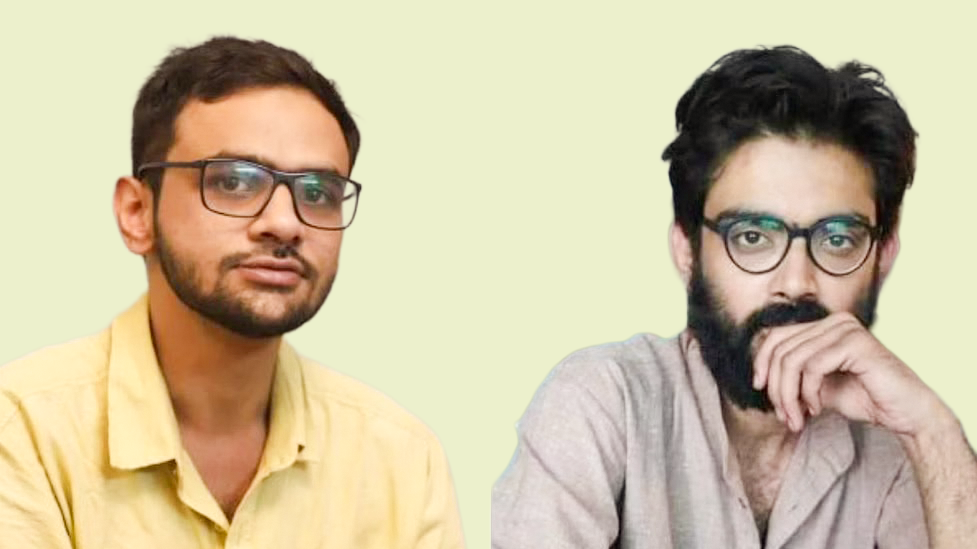
India’s Supreme Court has refused bail to Muslim student activists Umar Khalid and Sharjeel Imam, who have been behind bars for more than five years without a full trial. Both were arrested under India’s anti-terror law over allegations of playing a “central role” in a conspiracy linked to the deadly communal violence in Delhi in 2020.
While five other accused in the same case received bail, the court said Khalid and Imam were “on a qualitatively different footing” and that long detention alone was not a strong enough reason to release them. The two, both 38, were arrested following riots that left 53 people dead—most of them Muslims, alongside several Hindus—during protests against the Citizenship (Amendment) Act and the National Register of Citizens.
Their continued detention has drawn sharp criticism both inside and outside India. Critics say the case reflects a broader trend of pressure on Muslims and dissenters under Prime Minister Narendra Modi’s BJP-led government.
Last week, eight US lawmakers wrote to India’s ambassador in Washington, voicing concern over the prolonged pretrial detention and urging a fair and timely hearing. Amnesty International has also condemned the situation, calling Khalid’s imprisonment without trial a “derailment of justice” and part of a larger pattern of suppressing free expression.
Police argue the violence was not spontaneous but a planned conspiracy aimed at damaging India’s global image. They accuse the activists of delivering provocative speeches and inciting unrest. Lawyers for Khalid and Imam, however, insist there is no evidence linking them to the violence and maintain their innocence.
The riots took place against a backdrop of nationwide protests and heightened tensions in Delhi, coinciding with a high-profile visit by then US President Donald Trump. Many of those arrested around the same time also spent long periods in detention, with several cases later collapsing due to lack of evidence.
As Khalid and Imam continue to wait for a full trial, the debate over justice, rights, and the use of India’s strict anti-terror laws remains as intense as ever.
Edited by Mahmudul Munna. Source, AP, AFP